
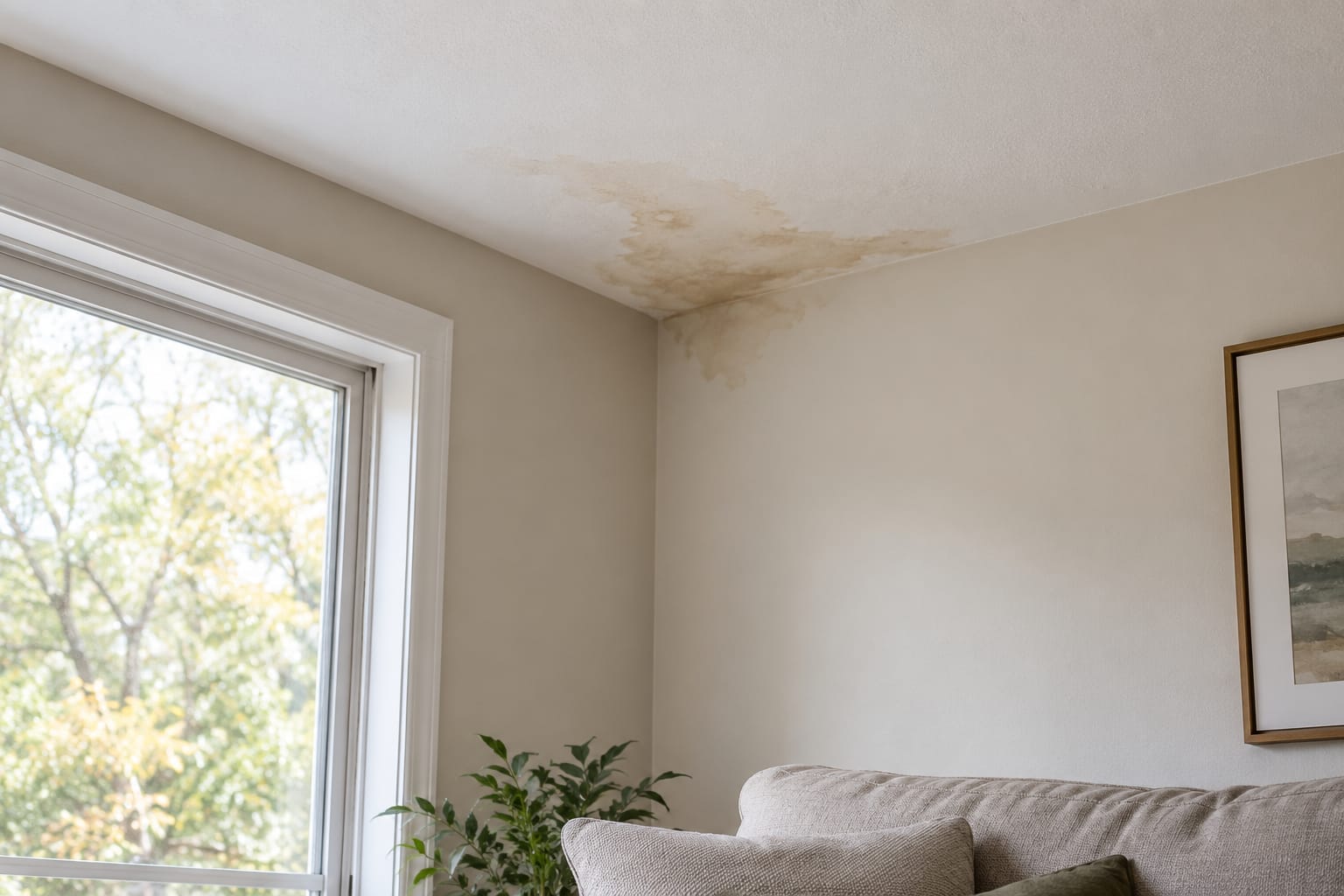
Make the location precise
A street address is only the start in a shared building. Add the unit, floor, building entrance and a contact who can explain access. Describe the visible water location separately from the suspected source. A wet ceiling below another unit is an observation; it does not by itself identify the failed component.
Coordinate access before equipment arrives
Ask the manager about entry permissions, elevator reservations, parking and work hours. Tell the provider if another unit or a locked shared space may need inspection. A visit restricted to one room can leave questions about adjacent spaces unresolved; request that any access limitation be recorded.
Do not guess who pays
The owner, association, tenant, provider and insurers can have different roles. Send factual photos and the timeline to the appropriate parties, then ask them to explain the governing documents and policies. This article does not assign liability or determine insurance coverage. Do not treat a neighbor’s agreement as permission to authorize work for the whole building.
Keep one clear record of the handoffs
Write down who reported the source repaired, which spaces were assessed, which rooms remain inaccessible and who approved each scope. Ask for drying and repair responsibilities to be separated. Before closing a ceiling or wall, request the assessment and completion records applicable to that space.
Your next conversation
Describe the affected rooms and access; ask what assessment, written scope and excluded repairs apply.
Read the relevant service guide before arranging an assessment. The independent business confirms availability, scope, fees and price.
Call for Quote(269) 461-9782Sources and related reading
EPA supports the safety and drying principles; practical quote and access questions are editorial decision aids, not an Atlanta price survey or building diagnosis.
FTC guidance on written estimates and contractor selection
Evergreen decision guides · Checklists and official resources · All Blog articles